Volmageddon: The Day Short Volatility Products Were Wiped Out
A sharp spike in market volatility triggered a feedback loop in products designed to profit from calm markets, destroying the value of one popular fund (XIV) by 96% in a single session and effectively ending it.
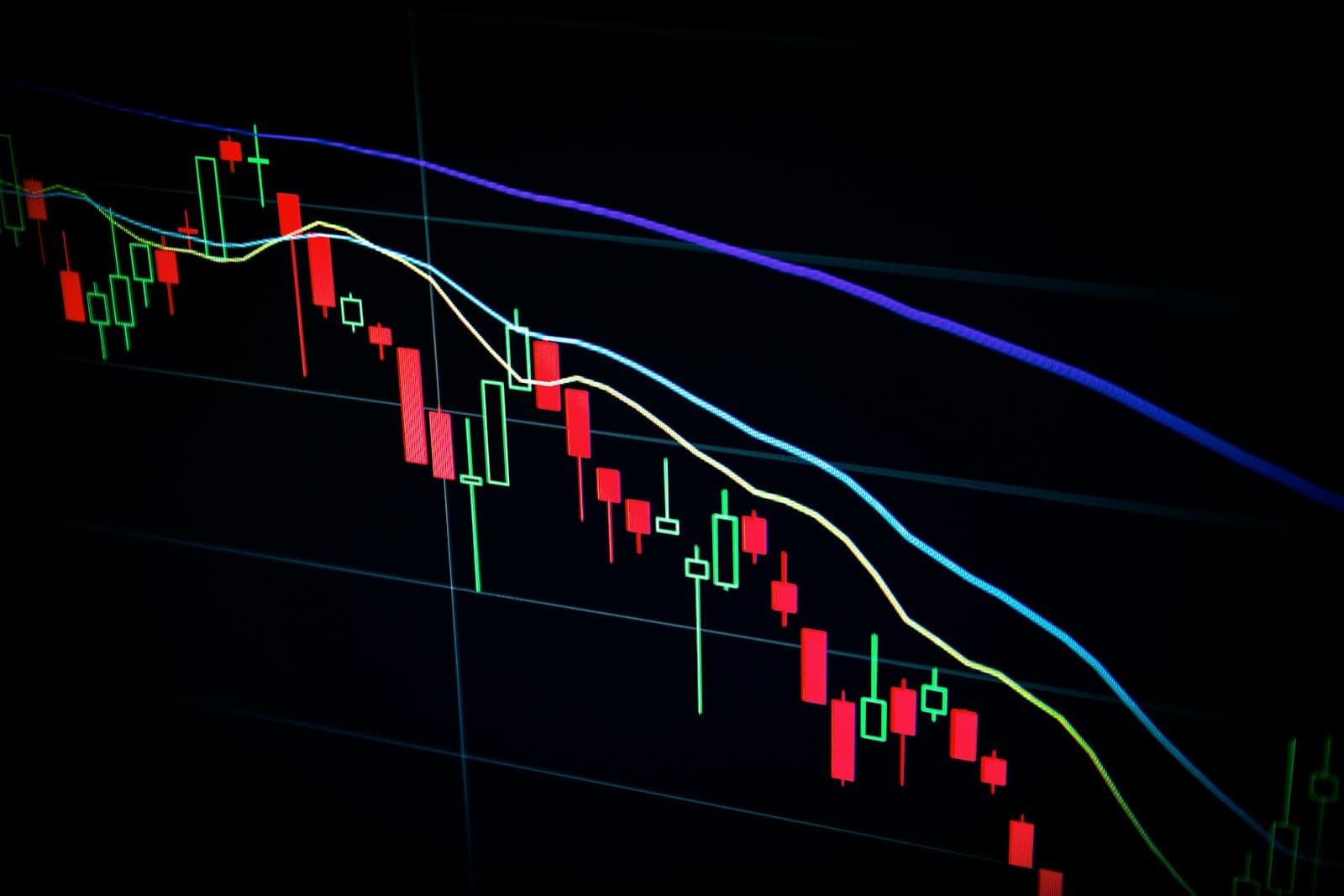
- XIV single-day decline
- ~96%
- VIX (volatility index) spike
- More than doubled intraday
- Fund outcome
- Liquidated shortly after
What happened
In the years leading up to 2018, several exchange-traded products let investors bet that market volatility would stay low, effectively earning a steady return during calm periods. These products had grown popular and large, having delivered smooth gains for an extended stretch of low-volatility markets.
On February 5, 2018, US markets fell sharply, and the volatility index (VIX) that these products were tied to spiked dramatically in a single session — more than doubling. Because the products were structured with leverage and needed to rebalance their exposure daily based on the prior day's move, the spike triggered forced buying of volatility-linked futures into an already fast-moving market, which pushed volatility even higher.
The largest of these products, known by its ticker XIV, lost approximately 96% of its value in that one session and was liquidated shortly afterward, wiping out billions of dollars for investors who had held it, many treating it as a steady income strategy rather than the highly leveraged, structurally fragile product it actually was.
Why it still matters
Volmageddon is a sharp lesson in product structure risk: an investment can look like a smooth, low-risk income strategy for a long stretch of time while carrying a hidden mechanism that produces catastrophic, near-total losses in a single adverse event, rather than a gradual decline that gives a trader time to react.
It also illustrates how leverage embedded inside a product — not just leverage a trader chooses explicitly through a margin account — can carry the exact same risk of ruin. Many investors in these funds did not think of themselves as using leverage at all.