Black Wednesday: Betting Against a Central Bank
The UK was forced out of the European Exchange Rate Mechanism in a single day after speculators, including George Soros, bet billions against the pound holding its pegged value.
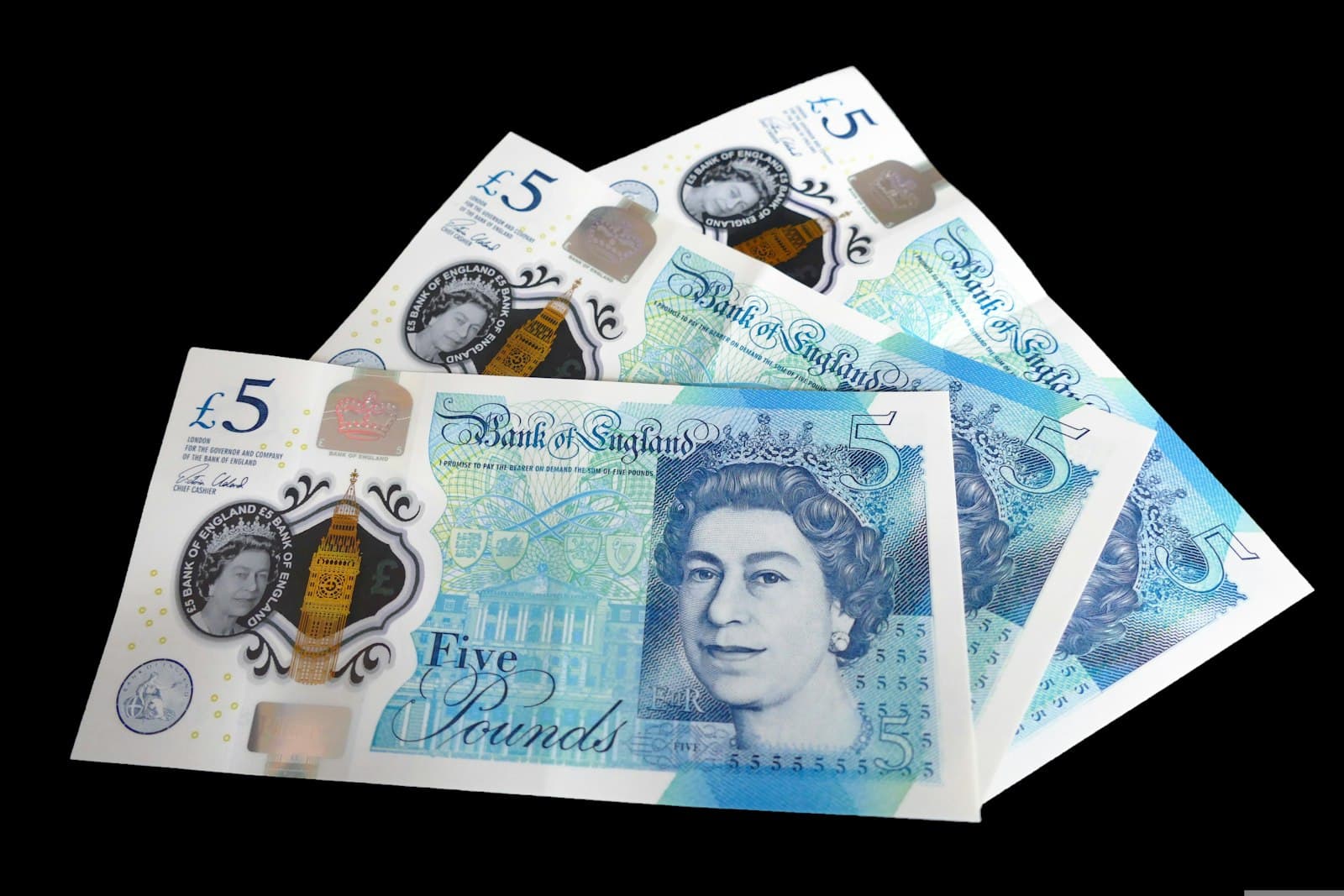
- Estimated UK Treasury cost
- £3.3 billion+
- Soros fund profit (reported)
- ~$1 billion
- Outcome
- UK exits the ERM within hours
What happened
The UK had pegged the pound to the German mark within a fixed band under the European Exchange Rate Mechanism (ERM). By September 1992, most traders believed that peg was unsustainable — the UK's interest rates and economic conditions did not match what the peg required, and the pound was, in the market's view, overvalued.
Currency speculators, most famously George Soros's fund, built enormous short positions against the pound — betting it would be devalued or forced out of the band. The Bank of England tried to defend the peg by buying pounds and raising interest rates twice in a single day, from 10% to 15%, in a last attempt to make holding the currency attractive.
It did not work. The scale of selling overwhelmed the defense, and by the evening the UK withdrew the pound from the ERM entirely, letting it float freely and devalue.
Why it still matters
This is one of the clearest historical examples of a currency peg failing under enough pressure — no institution, including a central bank, can defend a price level indefinitely if the market fundamentally disagrees with it and has the size to press the point.
For anyone trading currency pairs today, it is a reminder that pegs and fixed bands carry a specific kind of risk: they hold steady for long stretches and then move suddenly and violently when they break, rather than adjusting gradually. Leverage into a pegged pair on the assumption the peg is permanent has caused outsized losses more than once — see the Swiss franc shock decades later for a near-identical pattern.